

History of Mental Health Counseling
Clinical mental health counseling is a growing field.
While the opportunities and potential salaries are enticing, the true draw of this career is what it does for society.
What does clinical mental health counseling entail? Professionals in this field often find this type of work rewarding as they conduct the evaluation and treatment of patients struggling with a variety of mental health issues.
A clinical mental health counseling expert provides holistic solutions that address environmental, social and occupational challenges to mental health.
In this profession, a counselor may work with patients struggling with depression one day and children with behavioral disorders the next day.
State licensing boards and national certification organizations expect counselors to complete graduate degrees before entering the field.
A master’s degree in clinical mental health counseling also opens doors to opportunities in an in-demand field.
Aspiring counselors researching the field may ask, “What is the history of mental health counseling?”
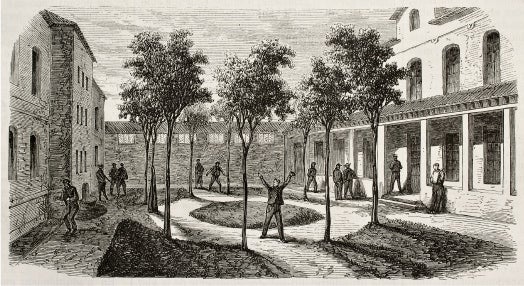
When did clinical mental health counseling begin?
The clinical mental health counseling field dates back to progressive social reforms in the early 20th century.
The growth of American cities stressed the nation’s public schools and highlighted the need for social services.
Progressive reformers continued an American tradition of work as a source of social value while sparking the counseling profession.
In 1908, Frank Parsons opened Boston’s Vocation Bureau to connect new immigrants and other workers with jobs that matched their competencies.
Parsons encouraged counselors to test workers for their strengths and weaknesses and understand the demands of the job market.
As the 20th century progressed, vocational evaluations merged with explorations of clinical mental health counseling independent of the workplace.
E.G. Williamson’s employment research in the 1930s led to the creation of trait and factor theory, a six-step method underlying the work done by mental health counselors.
C. Gilbert Wrenn’s The Counselor in a Changing World broke mental health counseling out of the vocational realm by highlighting the totality of factors involved in psychological issues.
The formation of professional organizations advanced mental health counseling into a revered profession. The American Counseling Association (ACA) started its existence as the American Personnel and Guidance Association in 1952.
The American Mental Health Counselors Association (AMHCA) was created in 1976 to establish ethical and licensing requirements for clinical mental health counseling.
Founded in 1982, the National Board of Certified Counselors (NBCC) established a standardized national exam used for state-level counselor certification (source).
The National Clinical Mental Health Counselor Examination (NCMHCE) covers six categories including:
- professional ethics
- treatment planning
- intake and diagnosis
This exam was created through the input of 16,000 clinical mental health counseling practitioners to ensure applicability in an evolving field (source).

Clinical Mental Health Counseling in The Modern Age
The growth of clinical mental health counseling as a profession shows the persistence of mental health issues in daily life.
Depression, anxiety, bipolar disorder, and other psychological conditions are not new and afflicted past generations.
People around the world experienced stigma and ostracization from their communities for mental health issues that are treatable today.
A tour through statistics on mental health conditions shows why highly trained counselors are needed.

Interested in Clinical Mental Health Counseling as a Career?
An important first step toward becoming a clinical mental health counseling professional is completing a master’s program like St. Bonaventure University's online MSED.
The university has a long history of educating future leaders, first opening its doors in 1858. U.S. News & World Report highlighted the school’s reputation with a No.19 rank in Regional Universities.
St. Bonaventure’s counseling degrees are strengthened by recognition from the Council for Accreditation of Counseling and Related Educational Programs (CACREP).
If you are ready to build industry-leading counseling skills, start your partnership with St. Bonaventure by contacting an enrollment advisor today.
Learn about SBU's Online Master's in Mental Health Counseling